
Hawaii Cesspool Conversion Law: What Homeowners Need to Know
There’s a costly issue buried beneath thousands of homes across Hawaiʻi—one that many homeowners are only beginning to fully understand.
The Hawaii cesspool conversion law is set to impact tens of thousands of property owners statewide, requiring the replacement of outdated wastewater systems over the coming decades. While the goal is environmental protection, the financial and logistical implications are significant—and for many, deeply personal.
So what exactly is changing, and what does it mean for homeowners in Hawaiʻi?

What Is the Hawaii Cesspool Conversion Law?
In 2017, Hawaiʻi passed Act 125, mandating the gradual elimination of all cesspools in the state by 2050.
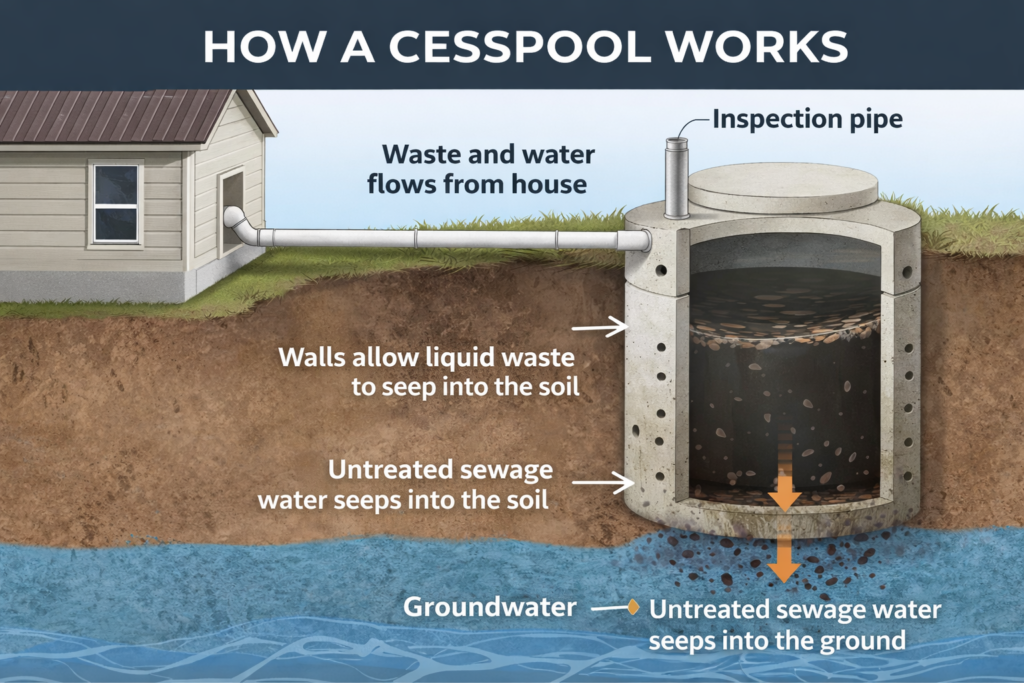
A cesspool is a basic underground system that disposes of untreated sewage directly into the ground. Unlike septic systems, cesspools do not filter or treat wastewater—raising concerns about contamination of groundwater and nearby ocean ecosystems.
It’s estimated that Hawaiʻi still has approximately 80,000–90,000 cesspools, many of which are located near coastlines or in environmentally sensitive areas.
Under this law, homeowners will eventually be required to convert their cesspool to a septic system or advanced wastewater treatment system.
What Does This Mean for Homeowners?
For many property owners, the Hawaii cesspool conversion law introduces a major financial consideration.
Typical Costs:
- $20,000 to $50,000+ per property
- Costs vary based on:
- Lot size and layout
- Soil and lava rock conditions
- Proximity to shoreline
- Required system type
But beyond the numbers, the real impact is more personal.
For long-time homeowners, retirees, and local families, this isn’t just a routine upgrade—it’s an unexpected expense that can affect long-term financial planning. In some cases, it may even influence decisions about whether to keep or sell a property.
Why Is This Law Being Enforced?
The environmental reasoning behind the Hawaii cesspool conversion law is widely supported.
According to research from organizations like the Hawaii Department of Health and the University of Hawaii, cesspools can release untreated sewage into the ground, allowing harmful bacteria and nutrients to enter groundwater systems.
This can contribute to:
Degradation of coral reefs
Algae blooms in nearshore waters
Contamination of drinking water sources

Healthy Coral Reef
In a place like Hawaiʻi—where the ocean, reefs, and land are deeply interconnected—these impacts carry both environmental and economic consequences.
The Challenge: Necessary Change or Financial Burden?
At its core, the Hawaii cesspool conversion law presents a complex balance.
The Case For Conversion:
Protecting Hawaiʻi’s fragile ecosystems
Preserving coral reefs and ocean health
Improving long-term water quality
Supporting sustainable infrastructure
The Concerns:
High upfront costs for homeowners
Limited financial assistance programs
Challenging property conditions (especially in lava zones)
A one-size-fits-all timeline for diverse property types
While many agree with the environmental goals, questions remain about how realistic and equitable the path forward is—especially for homeowners who may not have the resources to comply easily.
How This Impacts Hawaiʻi Real Estate
From a real estate perspective, the Hawaii cesspool conversion law is already influencing buyer and seller behavior.
What We’re Seeing:
Buyers are asking about wastewater systems earlier in the process
Offers factoring in future conversion costs
Increased interest in properties with upgraded septic systems
Potential Impacts:
Homes with cesspools may face pricing pressure
Properties already converted could see increased desirability
Disclosure requirements are becoming more important than ever
As awareness grows, wastewater systems are becoming a more significant factor in property valuation and negotiation.
What Homeowners Can Do Now
While the 2050 deadline may seem far away, planning is key. The Hawaii Cesspool Prioritization Tool is a great resource to find out where your home lies, and get a conversation started with your REALTOR about what your next steps might be.
Steps to Consider:
Understand what type of system your property currently has
Research estimated conversion costs for your specific lot
Explore any available grant or loan programs
Consult with local professionals early
Factor future conversion into long-term property planning
Taking proactive steps now can help avoid financial strain later—and provide more flexibility in how and when you make the transition.
Final Thoughts
Whether you view it as a necessary step forward or a difficult financial burden, one thing is clear:
The Hawaii cesspool conversion law is something every homeowner—and every buyer—should understand. To watch our most recent breakdown on the topic, tune into episode 3 of Talking Real Estate below!
If you’re unsure how this may impact your property value, future plans, or buying decisions, our team at LUVA Real Estate is here to help guide you through it.
Explore more about Kona living or connect with our team today to learn about real estate opportunities across Hawaiʻi Island.