
A Closer Look at the Bill and Its Potential Impact on Hawaiʻi Housing
Over the last few years, it seems like almost every conversation about housing eventually comes back to the same question.
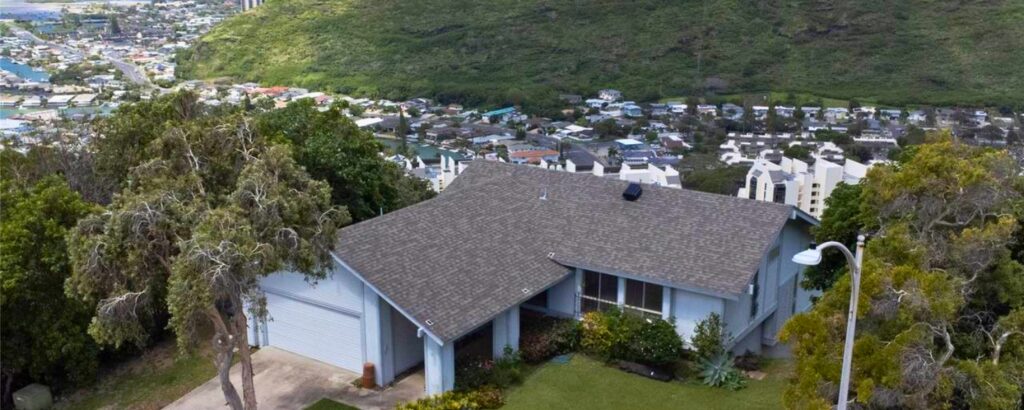
Why is it so difficult to build more homes?
The answers usually depend on who you ask. Some point to the cost of land. Others talk about construction costs, permitting, financing or regulations. In Hawaii, it’s rarely just one thing. Building housing here is often more complicated than it is in many other parts of the country, which is one reason our housing shortage has been so difficult to solve.
Then Congress passed the 21st Century ROAD to Housing Act, one of the most significant federal housing laws in decades. Almost immediately, articles began appearing about what it could mean for the nation’s housing shortage. Some focused on affordability. Others highlighted financing, zoning or construction.
As I read through those articles, I realized they all had one thing in common.
Very few answered the question I was asking.
What does this actually mean for Hawaii?
That’s why I decided to put this guide together.
Rather than summarize hundreds of pages of legislation, I wanted to understand what the law actually changes and how those changes could apply here at home. Some of the new provisions could create opportunities for Hawaii. Others may have very little impact because many of our biggest housing challenges are shaped by state law, county regulations, infrastructure and geography rather than federal policy alone.
This isn’t a political discussion, and it isn’t legal advice. My goal is simply to explain the law in plain English, look at how each major provision could affect Hawaii and point out where it may help, where it may have limitations and why the results here could be different than they are in other states.
As we go through the guide, you’ll notice a Hawaii Scorecard at the end of many sections. It’s a quick way to summarize what each provision could mean for our islands.
Hawaii Scorecard
Will this help build more housing? ⭐⭐⭐⭐☆
Could it improve affordability? ⭐⭐⭐☆☆
How quickly could Hawaii benefit? ⭐☆☆☆☆
Does it require state or county action? Yes or No
The stars aren’t meant to judge whether a provision is “good” or “bad.” They’re simply a way to show where a measure may have the greatest impact in Hawaii.

Building More Homes
One of the biggest goals of the 21st Century ROAD to Housing Act is increasing the nation’s housing supply. Several provisions are designed to make it easier to build homes, redevelop existing properties and remove barriers that can delay construction. Some of these changes could be meaningful for Hawaii. Others may work better in states with different housing challenges. Let’s start with one of the most talked-about provisions in the law.
Single-Stair Apartment Buildings
One of the more interesting provisions directs the U.S. Department of Housing and Urban Development (HUD) to develop guidance for certain apartment buildings that use a single primary staircase instead of the more traditional design with two enclosed stairwells connected by long interior hallways.
At first, this might not sound like a major change. In reality, architects have been discussing this concept for years because it can make smaller apartment buildings much more efficient. Less space is used for hallways and stairwells, leaving more room for actual living space. The design can also improve natural light and ventilation, especially on smaller urban lots.
When I came across this section, I immediately thought about places like Honolulu, Hilo and Kailua-Kona, where redevelopment often happens on smaller parcels and making better use of available land can make a real difference.
This is also where Hawaii starts to separate itself from many other states.
The federal law doesn’t change Hawaii’s building code. It doesn’t change county fire codes, and it doesn’t automatically allow this type of building. Before developers could take advantage of this design, Hawaii’s counties would still need to review whether changes to local building and fire codes are appropriate.
That’s an important distinction because it’s easy to assume a federal housing law automatically changes how housing is built everywhere. In many cases, it doesn’t. It creates an opportunity, but local governments still determine whether and how that opportunity is implemented.
In a city like New York, where multifamily housing is already common, this type of change could have a quicker impact if local codes allow it. Hawaii’s situation is different. More efficient building design could certainly help, but projects still have to move through planning, permitting, infrastructure review and local building requirements before construction can begin.
Hawaii Scorecard
Will this help build more housing? ⭐⭐⭐⭐☆
Could it improve affordability? ⭐⭐⭐☆☆
How quickly could Hawaii benefit? ⭐☆☆☆☆
Requires state or county action? Yes
Bottom line: This could become a useful tool for urban housing in Hawaii, but only if local building and fire code changes eventually make it possible.
Pattern Books and Preapproved Home Plans
Not every provision in the 21st Century ROAD to Housing Act is about creating a new funding program or changing federal regulations. Some are surprisingly practical.
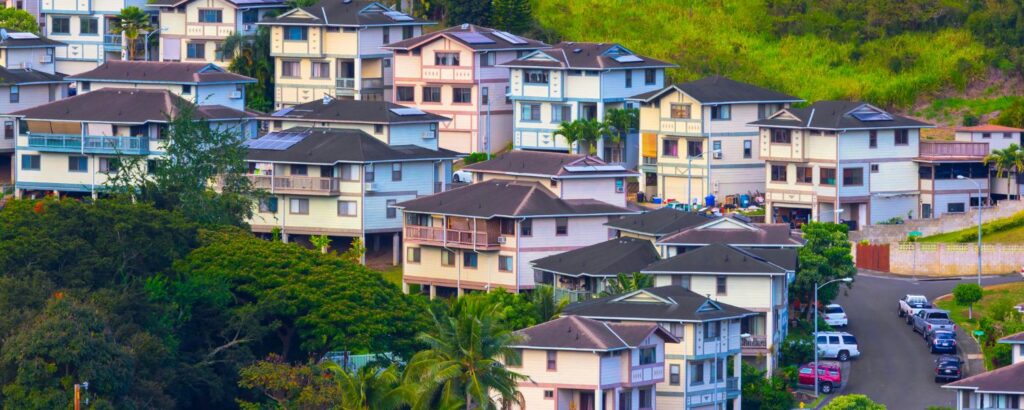
One example encourages communities to develop what are often called “pattern books,” which are collections of preapproved home plans that builders and homeowners can use instead of starting every project from scratch.
At first, that may not sound like a significant change. But for someone building a home, an accessory dwelling unit (ADU) or a small multifamily project, it could save both time and money. Rather than paying to design a new set of plans for a common type of home, builders may be able to choose from plans that have already been reviewed for code compliance.
As I read through this section, I couldn’t help but think about how many homeowners in Hawaii have asked about building an ohana unit or adding another home to their property. One of the first hurdles is often figuring out where to begin. Having professionally designed plans available could make that first step a little easier.
This also reminded me that the idea isn’t entirely new in Hawaii. On the Big Island, HPM Building Supply has offered predesigned home plans for years, giving homeowners a starting point instead of requiring every home to be designed from scratch. The federal law doesn’t create programs like HPM’s, but it does encourage communities to think in a similar way by making standardized plans more accessible. I’m not aware of a comparable program on Oahu that’s offered on the same scale, but HPM is a good example of how this concept can work in the real world.
Of course, that’s only part of the process.
A preapproved floor plan doesn’t eliminate the need for permits, zoning reviews or site-specific engineering. Every property is different. A lot in Kailua-Kona has different challenges than one in Hilo, Waimea or Honolulu. Access, drainage, utilities, grading, setbacks and other site conditions still have to be evaluated before construction can begin.
This is another example of a provision that creates an opportunity rather than an automatic solution. Hawaii’s counties would still decide whether to offer preapproved plans, which housing types to include and how those plans would fit within local building requirements.
Some communities on the mainland already use pattern books to encourage neighborhood-compatible housing and reduce design costs. Hawaii could take a similar approach, particularly as interest in ADUs and smaller workforce housing continues to grow.
Hawaii Scorecard
Will this help build more housing? ⭐⭐⭐⭐☆
Could it improve affordability? ⭐⭐⭐☆☆
How quickly could Hawaii benefit? ⭐⭐☆☆☆
Requires state or county action? Yes
Bottom line: This provision won’t remove every step in the building process, but it could make it easier for homeowners and smaller builders to get projects started if Hawaii’s counties decide to create preapproved home plan programs.
Faster Environmental Reviews for Certain Housing Projects
If you’ve ever followed a housing project from the planning stage to construction, you’ve probably heard someone say, “It takes forever to get approved.”
One reason is that some projects move through several layers of review before a shovel ever goes into the ground. Depending on the project, those reviews may happen at the federal, state and local levels.
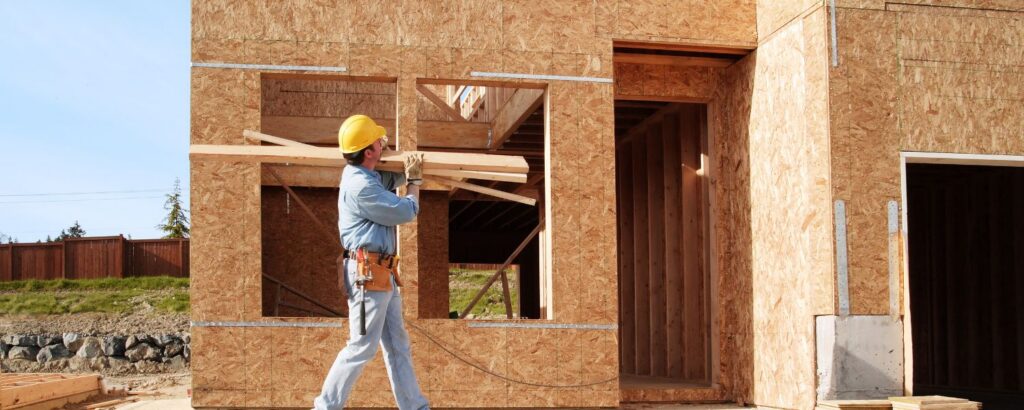
Several provisions in the 21st Century ROAD to Housing Act are intended to streamline parts of the federal environmental review process for qualifying housing projects. The goal isn’t to eliminate environmental protections. Instead, it’s designed to reduce duplication and help certain federally connected projects move through the review process more efficiently.
As I read this section, one question immediately came to mind.
How often does this actually apply in Hawaii?
The answer is less often than many people might think.
Most privately funded housing projects in Hawaii won’t require a federal environmental review simply because someone is building a home. Federal reviews are generally triggered when a project involves federal funding, federal permits, federal land or other federal approvals. For example, an affordable housing development using HUD funding or a project requiring approval from a federal agency may need to complete a federal environmental review.
When those projects qualify, streamlining the federal process could save valuable time.
What it doesn’t do is eliminate Hawaii’s own review process.
Depending on the project, developers may still need county planning approvals, subdivision review, grading permits, building permits, utility approvals and, where applicable, state environmental review or other requirements under Hawaii law.
That’s why the impact of this provision may look different here than it does in other states.
For projects with a federal connection, reducing duplication could certainly help. But for many housing developments in Hawaii, local and state approvals still represent a significant portion of the overall timeline.
If you’ve ever wondered why some housing projects take years before construction begins, this is a good example of why. It’s usually not one approval that takes time. It’s the combination of many different reviews that happen throughout the process.
Hawaii Scorecard
Will this help build more housing? ⭐⭐⭐☆☆
Could it improve affordability? ⭐⭐☆☆☆
How quickly could Hawaii benefit? ⭐⭐☆☆☆
Requires state or county action? Not always, but Hawaii’s existing review and permitting processes would still apply.
Bottom line: This provision could make a meaningful difference for housing projects that involve federal funding or approvals. For many privately funded developments in Hawaii, however, state and county reviews will continue to play a much larger role in the overall approval process.
Looking at Underused Public Land for Housing
One of the more interesting provisions in the 21st Century ROAD to Housing Act encourages governments to take a closer look at underused public land and consider whether some of those properties could be better used for housing. The idea is straightforward. Across the country, there are publicly owned properties that may no longer serve their original purpose or are sitting vacant. In some cases, those sites could become future housing opportunities instead of remaining unused.
As I read this section, my first thought was, “This sounds simple.” Then I started thinking about Hawaii.
Public land in Hawaii is very different than it is in many of the continental states. Land may be owned by the federal government, the State of Hawaii, a county, the Department of Hawaiian Home Lands, schools or other public agencies. Every property has its own history, legal requirements and intended use. Simply identifying a parcel as publicly owned doesn’t mean it’s available or appropriate for housing.
Even when land could support housing, there are still important questions to answer. Does it have access to water, sewer and roads? Is it already zoned for residential use? Are there environmental, cultural or historic considerations? Is the property in a location where housing makes sense for the surrounding community?
Those are questions Hawaii already works through whenever public land is considered for development.
That doesn’t make this provision any less valuable. In fact, I think it encourages an important conversation. Before communities look farther and farther outward for new housing, it makes sense to ask whether land that’s already publicly owned could play a role where it’s appropriate.
This isn’t just a Hawaii conversation. Communities across the continental United States are asking the same question as they look for ways to increase housing without extending development farther into undeveloped areas. The Act encourages that conversation, but it doesn’t require any government to sell land or build housing on a particular property. Those decisions remain with the public agencies that own the land and the laws that govern it.
Hawaii Scorecard
Will this help build more housing? ⭐⭐⭐☆☆
Could it improve affordability? ⭐⭐☆☆☆
How quickly could Hawaii benefit? ⭐⭐☆☆☆
Requires state or county action? Yes
Bottom line: Taking a fresh look at underused public land could create new housing opportunities in Hawaii, but every property still has to be evaluated individually. Ownership, infrastructure, zoning, environmental review and community planning all continue to play an important role before any housing can move forward.
Turning Empty Commercial Buildings Into Housing
Have you ever driven past an empty office building, an old shopping center or a vacant commercial property and wondered why it couldn’t become housing instead?
That’s exactly the question one provision of the 21st Century ROAD to Housing Act tries to address.
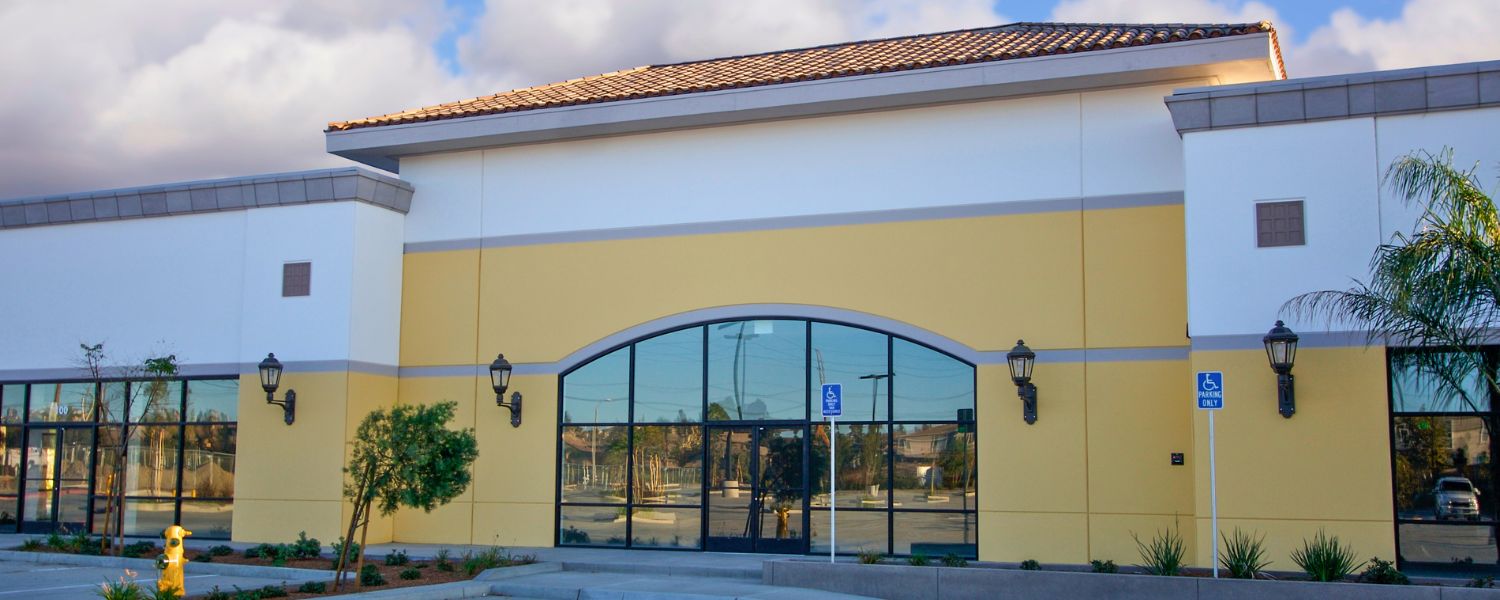
The Act encourages communities to look at ways of converting underused commercial buildings into housing. As shopping habits change and more people work remotely, many cities across the country have seen offices, retail centers and other commercial buildings sit partially vacant. Rather than leaving those buildings unused, this provision encourages redevelopment where it makes sense. (Congress.gov)
At first, it seems like an easy solution. If the building is already there, why not just turn it into apartments?
In reality, it’s usually much more complicated.
Many commercial buildings weren’t designed for people to live in. Plumbing, electrical systems, ventilation, fire protection, parking requirements and even the location of windows may all need to be redesigned. In some cases, renovating an existing building can cost as much as building a new one.
That said, there are certainly places in Hawaii where this idea could make sense.
Older office buildings, vacant commercial properties or underused shopping centers may present opportunities for redevelopment, particularly in areas where roads, water and sewer infrastructure already exist. Every property would need to be evaluated individually, but reusing existing buildings may allow some communities to add housing without developing previously undeveloped land.
Like many of the other provisions we’ve discussed, this isn’t a federal mandate. The law encourages communities to consider adaptive reuse and provides tools that may help make those projects more feasible, but decisions about zoning, permitting and redevelopment still happen at the local level. (Congress.gov)
Hawaii Scorecard
Will this help build more housing? ⭐⭐⭐⭐☆
Could it improve affordability? ⭐⭐⭐☆☆
How quickly could Hawaii benefit? ⭐⭐⭐☆☆
Requires state or county action? Yes
Bottom line: Converting underused commercial buildings into housing won’t work everywhere, but it has the potential to create new housing in locations where infrastructure already exists. In Hawaii, that could make this one of the more practical redevelopment tools in the Act, depending on the property and local approvals.
Helping Communities Build the Infrastructure Housing Needs
One of the biggest surprises I found in the Act is that it doesn’t just focus on building homes. It also recognizes something people in Hawaii talk about all the time.
You can’t build housing without infrastructure.
A neighborhood may have land that’s properly zoned and a developer who’s ready to build, but if there isn’t enough water capacity, sewer service, road access or other basic infrastructure, the project may not be able to move forward.
Several provisions in the Act are intended to improve coordination and expand financing tools that help communities support the infrastructure needed for housing. While every project is different, the overall goal is to make it easier for housing and infrastructure planning to happen together instead of one lagging behind the other.
This immediately made me think of Hawaii.
One of the biggest challenges across our islands isn’t always finding land. Sometimes it’s finding land that’s actually ready to support new homes. Water systems, wastewater capacity, road improvements and utility upgrades can all become part of the conversation long before construction begins.
That’s one reason this provision could be more meaningful for Hawaii than it first appears.
If infrastructure planning improves, housing projects may have a better opportunity to move forward.
That doesn’t mean every project suddenly becomes feasible. Infrastructure improvements can take years to design, fund and build, and priorities are determined by state agencies, counties and utility providers.
This is another area where Hawaii differs from many of the continental states.
In rapidly growing parts of Texas or Arizona, communities often have more room to extend roads and utilities as development expands outward. In Hawaii, where land is limited and development is frequently focused on infill or redevelopment, infrastructure improvements often involve upgrading existing systems rather than simply extending new ones.
That’s one reason this provision stood out to me. Housing isn’t just about building homes. It’s also about making sure the surrounding community has the capacity to support them.
Hawaii Scorecard
Will this help build more housing? ⭐⭐⭐⭐☆
Could it improve affordability? ⭐⭐⭐☆☆
How quickly could Hawaii benefit? ⭐⭐☆☆☆
Requires state or county action? Yes
Bottom line: Infrastructure rarely gets the same attention as housing itself, but it’s often one of the biggest factors in whether a project can move forward. This provision could help communities better align housing and infrastructure planning, but implementation will still depend on state, county and local utility decisions.
Opportunity Zones and Housing Development
Opportunity Zones were created several years ago to encourage private investment in communities that could benefit from redevelopment. The 21st Century ROAD to Housing Act builds on that idea by allowing HUD to give additional consideration to certain grant applications that are located in, or primarily serve, designated Opportunity Zones. The goal is to encourage more housing preservation and new housing construction in areas that have already been identified for investment.
So why would a developer choose to build in an Opportunity Zone?
The biggest incentive is financial. Under the federal Opportunity Zone program, investors may qualify for valuable tax benefits when they reinvest eligible capital gains into qualified projects. Depending on the investment and current tax rules, those incentives can help improve a project’s financial feasibility, making it easier to attract private capital for housing and redevelopment.
The ROAD to Housing Act doesn’t create those tax benefits. Instead, it builds on the existing Opportunity Zone program by giving certain qualifying housing projects an additional advantage when competing for selected HUD funding.
As I read this section, I started wondering how much this could really affect Hawaii.
The answer depends on the project.
Unlike some provisions in the Act that create entirely new programs, this one strengthens an existing tool. If a housing project in an Opportunity Zone is applying for certain competitive HUD funding, it may receive additional consideration during the application process. That doesn’t guarantee funding, but it may improve the project’s chances.
Hawaii already has federally designated Opportunity Zones on every major island. Some are in urban neighborhoods, while others are in more rural communities. That means this provision could benefit a variety of housing projects, particularly those that combine private investment with public financing.
Where Hawaii differs from many of the continental states is that simply attracting investment isn’t always the biggest challenge. A project may still need to address zoning, infrastructure, utility capacity, environmental review and county permitting before construction begins. Those local factors don’t disappear simply because a property is located within an Opportunity Zone.
For example, a developer in Arizona or Texas may be able to purchase a large parcel within an Opportunity Zone and begin a new residential community relatively quickly if local infrastructure already exists. In Hawaii, a similar project may still need to navigate more complex land use considerations, infrastructure constraints and county approvals before construction can begin. That’s one reason the same federal incentive may produce different results depending on where it’s used.
Hawaii Scorecard
Will this help build more housing? ⭐⭐⭐☆☆
Could it improve affordability? ⭐⭐⭐☆☆
How quickly could Hawaii benefit? ⭐⭐⭐☆☆
Requires state or county action? Yes, local planning and permitting requirements would still apply.
Bottom line: Opportunity Zones can make housing projects more attractive to investors by offering potential tax advantages while also improving access to certain HUD funding opportunities. In Hawaii, however, those financial incentives are only one piece of the puzzle. Local planning, infrastructure and permitting will continue to play a major role in determining whether a project moves forward.
The Build Now Act: Incentivizing Communities to Build More Housing
One provision of the 21st Century ROAD to Housing Act takes a different approach to increasing housing. Instead of creating another housing program, the Build Now Act encourages communities to build more homes by offering additional incentives through the Community Development Block Grant (CDBG) program for qualifying communities that increase housing production.
For Hawaii, this could benefit counties that successfully add new housing while meeting the program’s requirements. Additional federal funding could then be used to support future housing or community improvements.
Where Hawaii differs is that increasing housing production often depends on more than zoning. Infrastructure, water availability, permitting and construction costs all influence how quickly homes can be built. Those challenges don’t disappear simply because additional funding becomes available.
In faster-growing states, communities may be able to add large numbers of homes by expanding into new areas. In Hawaii, new housing is more likely to come from redevelopment, infill projects and carefully planned communities.
Hawaii Scorecard
Will this help build more housing? ⭐⭐⭐⭐☆
Could it improve affordability? ⭐⭐⭐☆☆
How quickly could Hawaii benefit? ⭐⭐⭐☆☆
Requires state or county action? Yes
Bottom line: The Build Now Act rewards communities that successfully increase housing production. It could provide another incentive for Hawaii’s counties, but local planning and infrastructure will still play a major role in how much housing can actually be built.
Helping Small and Mid-Sized Builders Access Financing
When people think about housing development, they often picture large national builders. In reality, many homes are built by small and mid-sized local companies that understand the communities where they work.
Several provisions in the 21st Century ROAD to Housing Act are intended to improve access to financing for housing development, making it easier for lenders to support projects that increase housing supply.
This caught my attention because Hawaii has many local builders who don’t operate on the same scale as national companies. Better access to financing could make it easier for some projects to move forward, especially smaller workforce housing developments or infill projects.
Of course, financing is only one piece of the equation. Builders still need land, permits, labor and infrastructure before construction can begin.
Hawaii Scorecard
Will this help build more housing? ⭐⭐⭐⭐☆
Could it improve affordability? ⭐⭐⭐☆☆
How quickly could Hawaii benefit? ⭐⭐⭐☆☆
Requires state or county action? No, although local approvals still apply.
Bottom line: Easier access to financing could help more local housing projects move forward, particularly those led by smaller builders who understand Hawaii’s communities.
Preserving Existing Affordable Housing
Building new homes is only part of the housing conversation. Keeping existing affordable housing from being lost is just as important.
Several provisions in the Act are designed to preserve existing affordable housing by making it easier to rehabilitate older properties and keep them available for future residents. In many cases, preserving an existing home or apartment building can be faster and less expensive than building a new one.
I think this is especially relevant in Hawaii, where construction costs are among the highest in the country. Every affordable home that can be preserved is one less home that has to be replaced.
States experiencing rapid suburban growth may focus more heavily on building entirely new neighborhoods. Hawaii’s opportunities are often different. Renovating older apartment buildings, improving existing housing and extending the life of affordable units may be just as important as new construction.
Hawaii Scorecard
Will this help build more housing? ⭐⭐☆☆☆
Could it improve affordability? ⭐⭐⭐⭐☆
How quickly could Hawaii benefit? ⭐⭐⭐⭐☆
Requires state or county action? Not always, depending on the program.
Bottom line: Preserving existing affordable housing may not add new homes, but it can help prevent the loss of housing that’s already serving Hawaii’s communities.
Expanding Access to Small-Dollar Mortgages
The 21st Century ROAD to Housing Act includes provisions intended to encourage lenders to offer more small-dollar mortgages, which the Act generally defines as loans under $100,000.
In many parts of the continental United States, those loans can help buyers purchase lower-priced starter homes or homes in rural communities where property values are much lower.
As I read this section, I couldn’t help but think that Hawaii is a very different market.
With home prices among the highest in the country, a mortgage under $100,000 simply won’t apply to many homebuyers here. While there may be some situations where it helps finance a smaller condominium, manufactured home or a buyer making a substantial down payment, I don’t expect this provision to have the same impact in Hawaii that it could in many other states.
Hawaii Scorecard
Will this help build more housing? ⭐☆☆☆☆
Could it improve affordability? ⭐☆☆☆☆
How quickly could Hawaii benefit? ⭐☆☆☆☆
Requires state or county action? No
Bottom line: This provision could make a meaningful difference in states where lower-priced homes are more common, but it’s unlikely to have a significant impact on Hawaii’s housing market because of the state’s much higher home prices.
Expanding the HOME Investment Partnerships Program
The HOME Investment Partnerships Program has been around for more than 30 years, but unless you’ve worked in affordable housing, you’ve probably never heard of it. It’s one of HUD’s primary programs for helping states and local governments create and preserve affordable housing.
The 21st Century ROAD to Housing Act updates and expands parts of the HOME program, giving communities more flexibility to use these funds for housing development and preservation.
For Hawaii, this could be meaningful because HOME funds have already helped support affordable housing projects throughout the state. The Act doesn’t create a brand-new program. Instead, it strengthens one that’s already being used by state and local housing agencies.
Where Hawaii differs from many of the continental states is that affordable housing often costs significantly more to build. Every additional funding source can help close the financing gap, but HOME funding is usually only one piece of a much larger puzzle that may also include Low-Income Housing Tax Credits, state funding, county support and private investment.
Hawaii Scorecard
Will this help build more housing? ⭐⭐⭐⭐☆
Could it improve affordability? ⭐⭐⭐⭐☆
How quickly could Hawaii benefit? ⭐⭐⭐☆☆
Requires state or county action? No, although projects are administered through state and local housing agencies.
Bottom line: Strengthening the HOME program could help more affordable housing projects move forward in Hawaii, especially when combined with other public and private funding sources.
Supporting Community Development Block Grants
Another provision builds on the Community Development Block Grant (CDBG) program, one of the federal government’s longest-running community development programs. CDBG funding can be used for a wide variety of local projects, including infrastructure, neighborhood improvements and certain housing activities.
As I was reading this section, it reminded me that housing isn’t just about building homes. Communities also need sidewalks, parks, roads, drainage improvements and other public infrastructure that support growing neighborhoods.
In Hawaii, CDBG funding has already been used for housing-related projects and community improvements. The Act expands opportunities for these funds to support housing needs, giving local governments additional tools as they plan for future growth.
In many of the continental states, CDBG funding may support rapidly expanding suburban communities. In Hawaii, it’s often used to strengthen existing neighborhoods, improve infrastructure and support projects that fit within each island’s unique planning goals.
Hawaii Scorecard
Will this help build more housing? ⭐⭐⭐☆☆
Could it improve affordability? ⭐⭐⭐☆☆
How quickly could Hawaii benefit? ⭐⭐⭐⭐☆
Requires state or county action? Yes
Bottom line: Community Development Block Grants won’t solve Hawaii’s housing shortage on their own, but they remain an important tool for helping communities improve infrastructure and support housing where it’s needed most.
Encouraging More Missing Middle Housing
One of the ideas woven throughout the 21st Century ROAD to Housing Act is supporting what planners often call “missing middle housing.” These are homes that fall somewhere between a single-family house and a large apartment building, such as duplexes, triplexes, fourplexes, townhomes and cottage courts.
The idea is to encourage more housing choices in communities where one type of housing may no longer meet everyone’s needs. In many parts of the country, missing middle housing can provide more attainable options for first-time buyers, young families and older adults who want to downsize.
As I read this section, I immediately thought about Hawaii’s limited supply of housing choices. Many of our neighborhoods are made up of either single-family homes or larger condominium and apartment developments, leaving fewer options in between.
That doesn’t mean these homes can be built everywhere. Local zoning, infrastructure and community planning still determine what can be developed. But where counties choose to allow it, missing middle housing could help add homes without changing the character of a neighborhood as dramatically as a large apartment complex.
In many of the continental states, these housing types are often built as part of expanding suburban communities. In Hawaii, they may be more likely to fit into redevelopment and infill projects where land is already being used more efficiently.
Hawaii Scorecard
Will this help build more housing? ⭐⭐⭐⭐☆
Could it improve affordability? ⭐⭐⭐⭐☆
How quickly could Hawaii benefit? ⭐⭐☆☆☆
Requires state or county action? Yes
Bottom line: Expanding missing middle housing could provide more housing choices in Hawaii, but its success will depend largely on county zoning decisions and thoughtful community planning.
Helping Communities Modernize Local Housing Policies
The Act also provides technical assistance and resources to help communities modernize local housing policies and identify regulations that may unnecessarily slow housing production. Rather than requiring communities to change their rules, the goal is to provide data, best practices and planning tools that local governments can use if they choose.
This may not sound as exciting as some of the construction or financing provisions, but planning often shapes what can be built for years to come.
For Hawaii, this could provide another resource as counties continue updating community development plans, housing strategies and land use policies. Every island has different housing needs, and this provision recognizes that local governments are in the best position to make those decisions.
In many of the continental states, communities may focus on accommodating rapid population growth. Hawaii’s planning conversations often include balancing housing needs with infrastructure, environmental stewardship, agriculture, cultural resources and the unique character of each island.
Hawaii Scorecard
Will this help build more housing? ⭐⭐⭐☆☆
Could it improve affordability? ⭐⭐⭐☆☆
How quickly could Hawaii benefit? ⭐⭐☆☆☆
Requires state or county action? Yes
Bottom line: Better planning tools won’t build homes by themselves, but they can help communities make more informed housing decisions that support long-term growth.
Making It Easier to Finance Affordable Housing
Building affordable housing often requires several different funding sources. A single project may combine private financing, tax credits, federal programs, state funding and local support before construction can begin.
Several provisions in the 21st Century ROAD to Housing Act are intended to make that financing process more flexible and efficient. The goal is to reduce unnecessary barriers and make it easier to assemble the funding needed for affordable housing developments.
This could be especially helpful in Hawaii, where construction costs are among the highest in the nation and affordable housing projects often rely on multiple funding partners to become financially feasible.
In many of the continental states, lower construction costs may allow projects to move forward with fewer funding sources. In Hawaii, even well-planned developments often require a more complex financing structure to make the numbers work.
Hawaii Scorecard
Will this help build more housing? ⭐⭐⭐⭐☆
Could it improve affordability? ⭐⭐⭐⭐☆
How quickly could Hawaii benefit? ⭐⭐⭐☆☆
Requires state or county action? No, although projects often involve state and county housing partners.
Bottom line: Making affordable housing financing more flexible won’t eliminate Hawaii’s high construction costs, but it could help more projects move from the planning stage to construction.
Supporting Rural Housing Communities
While Hawaii is often associated with Honolulu and resort communities, many of our residents live in rural areas where housing challenges can look very different. The Act includes several provisions that strengthen federal rural housing programs, particularly those administered through the U.S. Department of Agriculture (USDA).
These programs can help finance homeownership, rental housing and community development in eligible rural areas.
This could be meaningful for parts of the Big Island, Molokai, Lanai, Kauai and rural communities on Maui and Oahu where USDA programs are already an important source of housing assistance.
In many of the continental states, rural housing programs often serve farming communities spread across large geographic areas. Hawaii’s rural communities may be much smaller, but they still face many of the same challenges, including limited housing inventory, higher construction costs and access to financing.
Hawaii Scorecard
Will this help build more housing? ⭐⭐⭐☆☆
Could it improve affordability? ⭐⭐⭐⭐☆
How quickly could Hawaii benefit? ⭐⭐⭐⭐☆
Requires state or county action? No
Bottom line: Strengthening rural housing programs could help expand housing opportunities in qualifying communities across Hawaii, particularly on the Neighbor Islands where USDA programs already play an important role.

The RESIDE Program: Helping Turn Vacant Buildings Into Housing
Earlier in this guide, we talked about converting vacant commercial buildings into housing. The RESIDE Act is the funding side of that conversation.
The 21st Century ROAD to Housing Act creates the Revitalizing Empty Structures into Desirable Environments (RESIDE) pilot program within HUD’s HOME Investment Partnerships Program. Rather than simply encouraging adaptive reuse, the program provides a way to help communities finance the conversion of vacant and abandoned buildings into attainable housing. (Senate Committee on Banking) For Hawaii, this could be an important tool. Redeveloping an older office building, hotel or commercial property can be expensive, especially when it needs to meet current residential building and safety codes. Additional funding could help close some of that financial gap.
Compared with many of the continental states, Hawaii has a limited supply of land available for new development. While not every vacant building is a good candidate for housing, making better use of existing buildings may be one of the more practical ways to add homes in areas where roads, water and sewer infrastructure are already in place.
Hawaii Scorecard
Will this help build more housing? ⭐⭐⭐⭐☆
Could it improve affordability? ⭐⭐⭐☆☆
How quickly could Hawaii benefit? ⭐⭐⭐☆☆
Requires state or county action? Yes
Bottom line: The RESIDE program won’t convert buildings on its own, but it provides another funding tool that could help communities transform vacant properties into housing where it makes sense.
Updating FHA Multifamily Loan Limits
One of the quieter provisions in the Act updates the Federal Housing Administration’s multifamily loan limits so they better reflect today’s construction costs. It also changes the way those limits are adjusted over time, using a formula that’s more closely tied to the cost of building housing.
It’s important to know that this provision is not about the FHA loan limits homebuyers use when purchasing a single-family home. Instead, it applies to FHA-insured financing for apartment buildings and other multifamily housing developments.
This could be especially meaningful in Hawaii. Construction costs here are among the highest in the country, and outdated loan limits can make it more difficult to finance affordable apartment projects. Updating those limits won’t reduce the cost of construction, but it can make FHA financing a more practical option for developers.
In many of the continental states, construction costs are lower and existing loan limits may already be adequate. Hawaii’s higher labor, material and transportation costs make this provision especially relevant.
Hawaii Scorecard
Will this help build more housing? ⭐⭐⭐⭐☆
Could it improve affordability? ⭐⭐⭐⭐☆
How quickly could Hawaii benefit? ⭐⭐⭐⭐☆
Requires state or county action? No
Bottom line: This provision modernizes FHA multifamily financing to better reflect today’s construction costs, which could make it easier to finance apartment and affordable housing projects in Hawaii.
Giving Community Banks More Flexibility to Invest in Affordable Housing
The Community Investment and Prosperity Act doesn’t create a new housing program. Instead, it increases the amount community banks supervised by the Office of the Comptroller of the Currency and the Federal Reserve can invest in qualifying public welfare projects, including affordable housing. The Act raises that investment cap from 15% to 20%, giving participating banks more flexibility to support these types of developments. (Chris Van Hollen)
Most people buying or selling a home will never notice this change, but it could have an impact behind the scenes.
Affordable housing projects often require multiple financing partners. Giving community banks additional capacity to invest could make it easier for some developments to secure the capital they need.
For Hawaii, that matters because affordable housing projects frequently rely on partnerships between lenders, developers, nonprofit organizations and government agencies. Every additional financing tool helps.
Hawaii Scorecard
Will this help build more housing? ⭐⭐⭐☆☆
Could it improve affordability? ⭐⭐⭐☆☆
How quickly could Hawaii benefit? ⭐⭐⭐☆☆
Requires state or county action? No
Bottom line: Most residents will never see this provision directly, but giving community banks greater flexibility to invest in affordable housing could help support more housing projects throughout Hawaii.
Strengthening the Low-Income Housing Tax Credit
If you’ve ever driven by a newly completed affordable housing community and wondered how a project like that was financed, there’s a good chance the Low-Income Housing Tax Credit, often called the LIHTC program, played a role.
The 21st Century ROAD to Housing Act includes several provisions that strengthen and modernize this long-standing program. Rather than creating a new tax credit, the Act is intended to make the existing program more effective and help support additional affordable housing developments.
This is especially relevant in Hawaii because many affordable housing projects already rely on LIHTC financing. Developers often combine these tax credits with state and county funding, private investment and other federal programs to make projects financially feasible.
In many of the continental states, lower construction costs may allow tax credits to stretch farther. In Hawaii, where labor, materials and transportation all cost more, every financing source becomes even more important.
Hawaii Scorecard
Will this help build more housing? ⭐⭐⭐⭐⭐
Could it improve affordability? ⭐⭐⭐⭐☆
How quickly could Hawaii benefit? ⭐⭐⭐☆☆
Requires state or county action? No
Bottom line: Strengthening the Low-Income Housing Tax Credit could help more affordable housing projects move from the planning stage to construction, making this one of the more meaningful provisions for Hawaii.
Preserving Public Housing
Building new housing is important, but so is maintaining the housing that’s already serving local families.
The Act includes several provisions that help preserve and modernize public housing so existing units remain safe, functional and available for future residents. In many communities, preserving older housing can be faster and more cost-effective than replacing it.
For Hawaii, this is an important reminder that solving the housing shortage isn’t only about adding new homes. Maintaining existing affordable housing helps prevent the loss of units that are already part of the state’s housing inventory.
Compared with some of the continental states where large amounts of new housing are being built, Hawaii often places a greater emphasis on preserving what already exists because replacing housing is significantly more expensive.
Hawaii Scorecard
Will this help build more housing? ⭐⭐☆☆☆
Could it improve affordability? ⭐⭐⭐⭐☆
How quickly could Hawaii benefit? ⭐⭐⭐⭐☆
Requires state or county action? No
Bottom line: Preserving public housing may not increase the total number of homes, but it helps ensure existing affordable housing remains available for the people who depend on it.
Expanding the Rental Assistance Demonstration (RAD) Program
One of the more technical provisions in the Act expands the Rental Assistance Demonstration, commonly known as the RAD program. The program allows public housing agencies to convert certain public housing assistance to more stable long-term rental assistance contracts, making it easier to finance major repairs and renovations.
While that may sound like an accounting change, it has a practical purpose. Many older public housing properties need significant repairs, and the RAD program gives housing agencies another tool to attract financing for those improvements.
For Hawaii, this could help preserve aging affordable housing that might otherwise continue to deteriorate. Renovating existing housing is often faster and less expensive than replacing it entirely, especially given Hawaii’s construction costs.
Many of the continental states also use the RAD program, but Hawaii’s limited housing supply makes preserving every affordable unit especially valuable.
Hawaii Scorecard
Will this help build more housing? ⭐⭐☆☆☆
Could it improve affordability? ⭐⭐⭐⭐☆
How quickly could Hawaii benefit? ⭐⭐⭐⭐☆
Requires state or county action? No
Bottom line: Expanding the RAD program won’t create large numbers of new homes, but it could help preserve affordable housing that Hawaii already has by making long-term rehabilitation projects easier to finance.
Disaster Recovery and Building More Resilient Communities
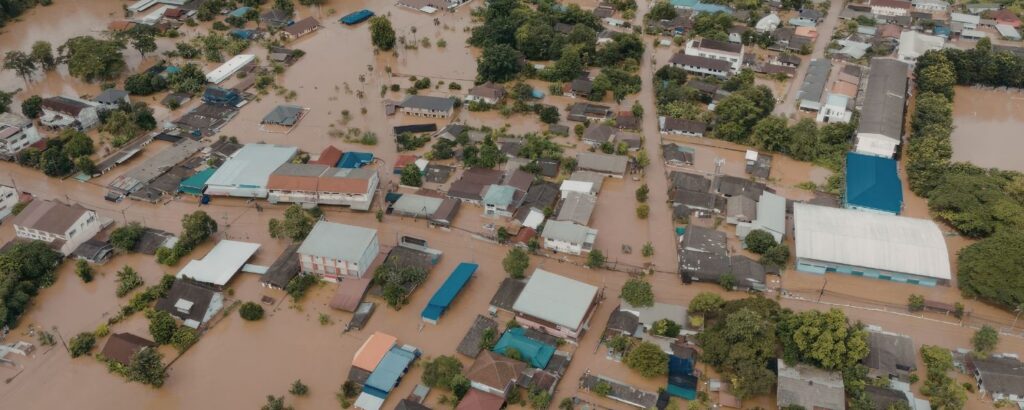
Natural disasters can quickly turn a housing shortage into a housing crisis. The 21st Century ROAD to Housing Act includes several provisions intended to improve how housing recovery is coordinated after disasters and to help communities rebuild more efficiently.
For Hawaii, this section stood out immediately. While many people think of hurricanes, our islands face a wide range of natural hazards, including wildfires, earthquakes, lava flows, flooding, tsunamis and severe storms. The Maui wildfires were a reminder of how quickly housing can be lost and how difficult rebuilding can be.
The Act doesn’t prevent disasters from happening, but it recognizes that recovery should be faster, better coordinated and focused on creating resilient communities.
In many of the continental states, disaster recovery may focus on tornadoes, hurricanes or flooding. Hawaii’s challenges are different, but the need for safe, durable housing is the same.
Hawaii Scorecard
Will this help build more housing? ⭐⭐⭐☆☆
Could it improve affordability? ⭐⭐☆☆☆
How quickly could Hawaii benefit? ⭐⭐⭐⭐☆
Requires state or county action? Yes, in coordination with federal disaster recovery programs.
Bottom line: This provision is less about creating new housing and more about helping communities recover more quickly when housing is lost after a disaster.
Improving Housing Data and Research
Good housing decisions start with good information.
Several provisions in the Act improve housing data collection and research so federal, state and local leaders have better information when making housing decisions. That includes studying housing supply, affordability and barriers to development.
At first, this may not sound as important as financing or construction. But better data often leads to better policy decisions.
For Hawaii, having accurate information is especially important because our housing market is unlike most of the country. We have unique land use laws, island-specific housing needs, tourism, military housing, agricultural land protections and significant differences between counties. Better data can help communities make more informed decisions rather than relying on assumptions.
Hawaii Scorecard
Will this help build more housing? ⭐⭐☆☆☆
Could it improve affordability? ⭐⭐☆☆☆
How quickly could Hawaii benefit? ⭐⭐☆☆☆
Requires state or county action? No
Bottom line: Better housing data won’t build homes, but it can help governments and communities make smarter decisions about where housing is needed most.
Expanding Housing Opportunities for Tribal and Native Communities
The Act also strengthens several housing programs that support Tribal communities and Native housing initiatives.
While Hawaii does not have federally recognized Tribal governments like many states in the continental United States, this section is still worth mentioning because it reflects Congress’s recognition that housing solutions should be tailored to the unique needs of different communities.
Here in Hawaii, housing programs serving Native Hawaiian families are administered through separate laws and agencies, including the Department of Hawaiian Home Lands. Those programs are not replaced by the ROAD to Housing Act, but the broader idea is similar: recognizing that one housing solution doesn’t fit every community.
That distinction is important because readers may wonder whether this section changes Hawaiian Home Lands programs. It does not.
Hawaii Scorecard
Will this help build more housing? ⭐⭐☆☆☆
Could it improve affordability? ⭐⭐☆☆☆
How quickly could Hawaii benefit? ⭐☆☆☆☆
Requires state or county action? No
Bottom line: This provision primarily applies to Tribal housing programs outside Hawaii. While it doesn’t directly change Native Hawaiian housing programs, it reflects the importance of creating housing solutions that recognize the unique needs of different communities.
Cutting Red Tape Across Federal Housing Programs
One theme you’ll notice throughout the 21st Century ROAD to Housing Act is reducing unnecessary administrative hurdles. Several provisions update older federal requirements, simplify paperwork and improve coordination between housing programs so communities can spend more time building and preserving housing instead of navigating outdated processes.
While these changes may not make headlines, they can still make a difference. Large affordable housing projects often involve multiple federal programs, and even small improvements to the application or approval process can save time.
For Hawaii, this could be especially helpful because affordable housing developments frequently rely on several different funding sources. Streamlining federal requirements won’t eliminate local permitting or infrastructure challenges, but it may reduce delays once projects enter the federal funding process.
Hawaii Scorecard
Will this help build more housing? ⭐⭐⭐☆☆
Could it improve affordability? ⭐⭐⭐☆☆
How quickly could Hawaii benefit? ⭐⭐⭐☆☆
Requires state or county action? No
Bottom line: Streamlining federal housing programs won’t solve every challenge, but making them easier to navigate could help affordable housing projects move forward more efficiently.
Encouraging Innovation in Housing Construction
Another theme throughout the Act is encouraging innovation. Rather than relying on one construction method, the legislation promotes new ideas that can improve efficiency, reduce costs and expand housing options.
That includes supporting new building technologies, modern construction techniques and approaches that can help communities respond to changing housing needs.
For Hawaii, innovation may become increasingly important as builders look for ways to reduce construction time, improve energy efficiency and address labor shortages. While no single technology will solve the housing shortage, encouraging new ideas gives communities more options than they had before.
In many of the continental states, innovation often focuses on building larger numbers of homes more quickly. In Hawaii, it may be just as valuable if it helps reduce costs or makes building on smaller, more challenging sites more practical.
Hawaii Scorecard
Will this help build more housing? ⭐⭐⭐⭐☆
Could it improve affordability? ⭐⭐⭐☆☆
How quickly could Hawaii benefit? ⭐⭐⭐☆☆
Requires state or county action? No
Bottom line: Innovation isn’t a housing solution by itself, but expanding the toolbox available to builders could help Hawaii adapt to future housing challenges.Hawaii Planning Resources
Looking at the Big Picture
After working through the major provisions of the 21st Century ROAD to Housing Act, one thing became clear to me. This law doesn’t rely on a single solution. Instead, it brings together dozens of smaller changes that address financing, construction, redevelopment, infrastructure, preservation and housing policy.
Some of those changes could have a meaningful impact in Hawaii. Others will likely have a much greater effect in parts of the continental United States where housing can expand more easily. And a few probably won’t make much difference here at all because our housing market is so different.
What I appreciate most about the Act is that it recognizes housing challenges don’t all have the same cause. Sometimes the obstacle is financing. Sometimes it’s infrastructure. Sometimes it’s outdated regulations. And sometimes it’s simply the high cost of building.
For Hawaii, I don’t believe there’s one provision that will solve our housing shortage overnight. But several of the measures we’ve covered could become valuable tools if they’re paired with thoughtful planning, infrastructure investment and continued collaboration between federal, state, county and private partners.
Hawaii Scorecard
Will this help build more housing? ⭐⭐⭐⭐☆
Could it improve affordability? ⭐⭐⭐⭐☆
How quickly could Hawaii benefit? ⭐⭐⭐☆☆
Requires state or county action? Many provisions do.
Bottom line: The 21st Century ROAD to Housing Act doesn’t offer a single answer to Hawaii’s housing challenges. Instead, it expands the number of tools available. How much those tools ultimately help will depend on how they’re used here at home.
Have questions about how housing policy, planning changes, or market conditions could affect real estate in Hawaiʻi?
Contact Sara Layne Pedro of LUVA Real Estate for thoughtful local insight and guidance tailored to your goals.